

Direct factory wholesale and custom ODM solutions for gaming brands, audiophile labels, and telecom distributors worldwide.
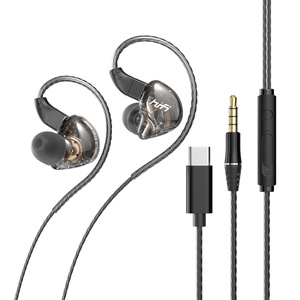
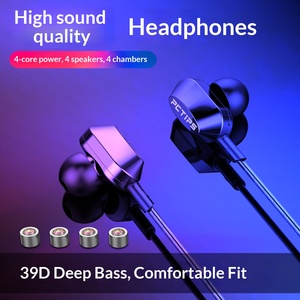
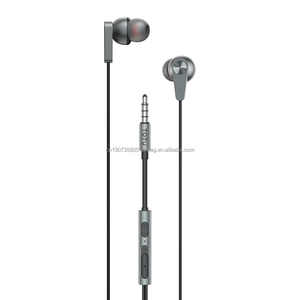
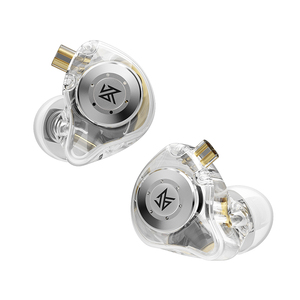
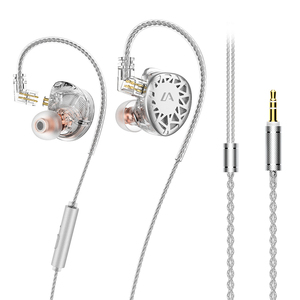
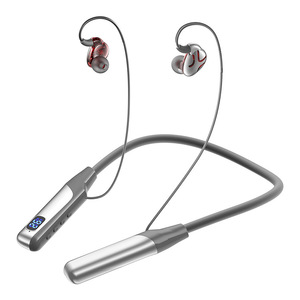
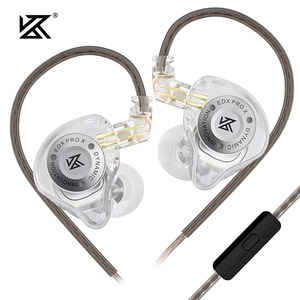
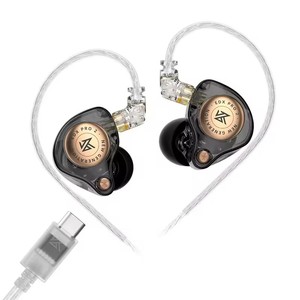
Combining over two decades of acoustic precision, rigorous hearing-health research, and vertically integrated manufacturing.
Our acoustic laboratory operates Brüel & Kjær artificial ear simulators, anechoic test chambers, and automated frequency sweep analyzer systems. We customize dynamic driver diaphragms (DLC, Beryllium-coated, Titanium) and balanced armature crossover networks to hit exact target curves (Harman In-Ear Target, Diffuse Field, or custom house sound).
We combine industrial high-speed surface-mount technology (SMT) for Type-C DSP DAC boards with high-precision DLP/SLA 3D printing for ergonomic IEM resin cavities. This setup minimizes acoustic resonance, eliminates phase cancellation, and guarantees structural durability across mass production runs.
Every batch undergoes MIL-STD-105E sampling inspection, 10,000-cycle cable flex endurance tests, IPX5 waterproof testing, thermal shock testing (-20°C to +65°C), and 100% phase alignment verification. Full global compliance with CE, RoHS, FCC, REACH, and CA Prop 65 standard certifications.
The global In-Ear Monitor (IEM) and wired high-resolution headphone industry is experiencing a profound technological renaissance. Driven by the demand for mobile gaming audio with zero latency, audiophile-grade high-resolution sound streaming, and enterprise communication applications, IEM design has shifted from basic dynamic drivers to sophisticated multi-driver hybrid systems and integrated digital sound processors (DSP).
Modern IEM manufacturing no longer relies on standard PET dynamic diaphragms. Top China IEM factories are mass-producing Diamond-Like Carbon (DLC), Titanium-deposited, and Beryllium-alloy composite diaphragms. These materials deliver exceptional stiffness-to-weight ratios, virtually eliminating breakup modes and harmonic distortion even under extreme sound pressure levels (SPL > 110dB). Dual-magnetic circuit architectures (utilizing N52 Neodymium magnets) generate flux densities exceeding 1.2 Tesla, resulting in lightning-fast transient response and deep, distortion-free sub-bass reproduction down to 10Hz.
With smartphones and laptops discarding 3.5mm analog jacks, China's leading IEM factories are integrating ultra-compact high-fidelity Digital-to-Analog Converters (DAC) directly into the Type-C cable connector housing. Leveraging advanced audio ICs (such as Realtek ALC5686, CX31993, and custom Cirrus Logic DSP solutions), these Type-C IEMs support hardware decoding up to 32-bit / 384kHz PCM. Furthermore, onboard hardware DSP allows OEM buyers to program custom EQ profiles—tuning the IEM to precise target acoustic signatures prior to shipping.
Cable failure remains the primary point of return for commercial audio products. To address this issue, enterprise procurement now mandates detachable cable architectures utilizing 0.75mm/0.78mm 2-Pin or MMCX gold-plated connectors. Conductors have evolved from standard copper to high-purity Oxygen-Free Copper (OFC), Silver-Plated Copper (SPC), and single-crystal Litz wiring. These configurations minimize signal loss and skin-effect impedance, while robust TPE or braided nylon jackets prevent microphonics and tangled cables.
Leveraging vast databases of human ear canal scan data, top OEM manufacturers use computer-aided design (CAD) to sculpt IEM housings that match the natural contours of the inner ear. Utilizing imported medical-grade skin-friendly resin and automated SLA 3D printing equipment, mass-produced IEMs now deliver up to -26dB of passive noise isolation—matching the comfort and sound isolation performance of expensive custom-molded stage monitors.
Comparative OEM technical benchmarking table for enterprise procurement officers and product managers determining driver specifications, target costs, and market positioning.
| Architecture Type | Key Transducers | Frequency Range | THD (Distortion) | Target Market Application | OEM Customization Scope |
|---|---|---|---|---|---|
| Single Dynamic Driver (1DD) | 10mm DLC / Titanium Composite | 20Hz – 20kHz | < 0.5% @ 1kHz | Entry-level HiFi, Gaming, Mobile Accessories | Shell Color, Laser Logo, Cable Material, Tuning Filters |
| Ultra-Linear Dynamic (1DD Pro) | Dual-Magnetic / Dual-Cavity 10mm | 15Hz – 28kHz | < 0.2% @ 1kHz | Audiophile IEMs, Sports Headphones, Stage Monitoring | Resin Infill, Acoustic Nozzle Material, Detachable Pins |
| Hybrid Multi-Driver (1DD + 1BA / 2BA) | Dynamic Bass + Balanced Armature Highs | 10Hz – 40kHz (Hi-Res) | < 0.15% @ 1kHz | Professional Musicians, Studio Engineers, Premium HiFi | Crossover Frequency Tuning, Custom Faceplate Design |
| Type-C DSP Digital IEM | Dynamic Driver + 32-bit/384kHz DAC | 20Hz – 20kHz | < 0.1% @ 1kHz | Esports Gaming, Smartphone Bundles, Lossless Streaming | Firmware EQ Pre-loading, DAC IC Selection, Mic ENC |
For brands, importers, and regional distributors, navigating the audio procurement landscape in China requires aligning with suppliers that offer technological flexibility, sustainable sourcing, and robust quality assurance.
Enterprise buyers are increasingly requesting IEM designs that support modular cross-compatibility. By pairing a standard 0.78mm 2-pin IEM earbud with both a high-purity Type-C wired cable and a detachable Bluetooth 5.3 neckband or ear-hook adapter (such as TWS ear-hooks), brands can offer a versatile 2-in-1 hybrid product. This approach doubles the addressable market while optimizing inventory keeping units (SKUs).
Global regulatory pressure and consumer demand have elevated environmental sustainability into a core procurement benchmark. Tier-1 China IEM factories now offer eco-friendly TPE cable jackets, halogen-free wiring, recycled zinc-alloy housings, and 100% plastic-free FSC-certified cardboard packaging. Sourcing partners must verify that their OEM factory holds active ISO14001 environmental management certification.
Driven by mobile esports games like PUBG Mobile, Call of Duty, and Valorant, gamer demand for zero-latency communication is at an all-time high. Procurement specifications now prioritize omnidirectional MEMS microphones paired with Environmental Noise Cancellation (ENC) algorithmic chips integrated inline. These systems isolate the player's voice from ambient background noise, delivering clear team chat during noisy gaming sessions.
To reduce time-to-market, procurement managers favor suppliers with ready-to-deploy platform designs (turnkey OEM platforms). These platforms allow rapid customization of cosmetic faceplates, laser-etched logos, custom impedance resistors, and retail-ready packaging within 15 to 25 days—drastically reducing typical lead times from 60 days down to under 3 weeks.
Detailed answers to the most critical technical, commercial, and quality questions asked by global enterprise audio buyers, procurement managers, and OEM clients.
Accelerate your product launch with our proven OEM/ODM platforms, custom acoustic tuning expertise, and globally certified manufacturing infrastructure.