

High-performance OEM/ODM acoustic components, Bluetooth 6.0 modules, low-latency transmitters, and ANC/ENC integrated solutions for enterprise sourcing.
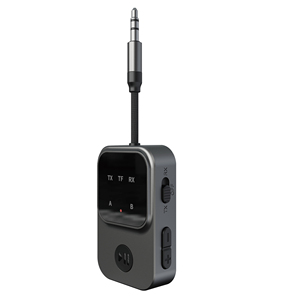
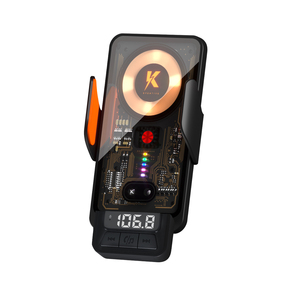
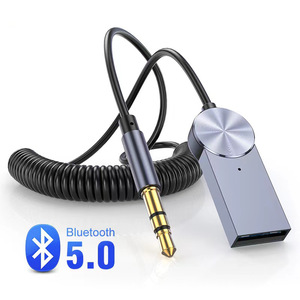
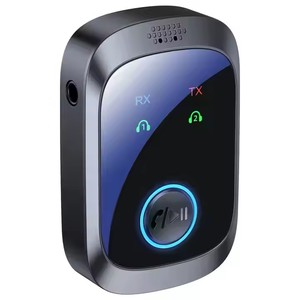
In modern industrial, commercial, and consumer electronics ecosystems, sound management technology has evolved from a passive convenience to an indispensable engineering discipline. The global market for noise reduction hardware, active noise cancellation (ANC) silicon, environmental noise cancellation (ENC) micro-codecs, and wireless audio transceivers is undergoing unprecedented technical evolution. Driven by strict regulatory hearing safety policies, expanding institutional procurement requirements across healthcare and education, and high consumer expectations for spatial audio clarity, procurement officers and B2B buyers must navigate a sophisticated supplier landscape.
Selecting the right OEM/ODM partner among the top 10 noise reduction manufacturers and exporters requires far more than comparing basic unit pricing. Enterprise buyers must conduct holistic technical audits encompassing acoustic chamber verification, Digital Signal Processor (DSP) chipsets integration, RF protocol stability, hardware-level decibel limiting, and regulatory compliance frameworks (including CE, FCC, RoHS, REACH, and ISO 9001 certifications). This industry whitepaper breaks down the critical technical architecture, future procurement trends, and engineering evaluation metrics necessary to make high-ROI sourcing decisions in 2026 and beyond.
Leading exporters differentiate their technical capability through mastery over three primary acoustic engineering pillars: Passive Acoustic Isolation, Active Noise Cancellation (ANC), and Environmental Noise Cancellation (ENC) for clear speech capture.
High-density memory foams, custom silicone ear-tip geometry, and sealed chamber enclosures providing mechanical sound blockage without power consumption. Essential for sleep earbuds and industrial earmuffs.
Dual-microphone arrays paired with real-time DSP pipelines. External microphones detect ambient noise, generating an inverse anti-noise phase signal (-180°) that cancels low-frequency machinery and jet engine hum up to -42dB.
Multi-mic uplink noise reduction algorithms designed for high-clarity voice communications in commercial environments, automotive FM transceivers, aircraft seat-back systems, and institutional headsets.
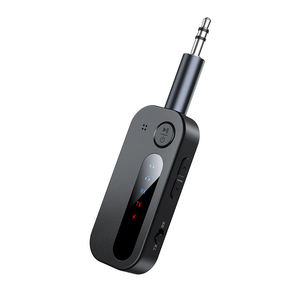
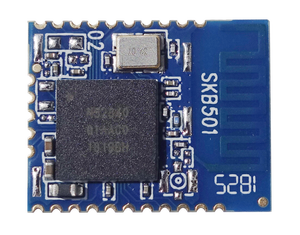
Furthermore, the convergence of wireless connectivity and noise reduction has turned wireless protocols into a primary evaluation metric. Modern RF modules, such as those leveraging Nordic nRF54L15 Bluetooth 6.0 Mesh architectures and high-bitrate LC3/LE Audio codecs, enable simultaneous dual-device streaming, sub-20ms latency sync, and ultra-low power consumption essential for modern commercial deployment.
To assist procurement teams during factory audits and technical vendor screening, the following matrix outlines the operational and technological divides between top-tier acoustic engineering manufacturers and generic assembling facilities.
| Evaluation Metric | Tier-1 Engineering Manufacturers | Generic Contract Assemblers | B2B Procurement Advantage |
|---|---|---|---|
| Acoustic Testing R&D | In-house Anechoic Chambers & Head/Torso Simulators (HATS) | Outsourced or basic manual sound meters | Guaranteed frequency response curves & zero batch variance |
| Latency Benchmarks | Ultra-low latency sub-20ms via LC3/Bluetooth 6.0 DSP tuning | Standard SBC/AAC latency (>120ms to 200ms) | Perfect lip-sync for TV, aviation entertainment, and gaming |
| Hearing Protection Compliance | Integrated hardware-level decibel limiters (85dB/93dB hard caps) | Software-dependent or uncalibrated max volume | Complete liability protection for schools & pediatric audio |
| Dual-Link / Multipoint | Hardware-validated seamless transceiver dual-stream protocol | Unstable pairing switches; high packet drop rate | Multi-user clarity for elder care, home TV, and cockpit comms |
| Custom Firmware & SDK | Full access to GPIO, Thread/Matter protocols, and custom EQ profiles | Fixed, pre-programmed closed chips with zero modification | Flexibility to adapt hardware to custom IoT & commercial setups |
As global supply chains adapt to evolving commercial requirements, B2B sourcing strategies for noise-reduction and audio transmission products are shifting rapidly. Procurement directors must anticipate the following structural market transformations over the next decade:
Regulatory bodies in North America and the European Union are tightening limits on acoustic exposure for educational and pediatric device procurement. Sourcing managers working with school districts and healthcare institutions now mandate hardware-enforced volume capping (85 dB SPL). Unlike soft app controls, hardware-limited circuitry prevents accidental volume spikes regardless of source voltage, rendering safety immutable.
Legacy Bluetooth audio suffers from bandwidth congestion and latency lag. Sourcing trends show a sharp migration toward Bluetooth 6.0 and nRF54-series transceivers. These chips deliver multi-stream capabilities, channel sounding for spatial positioning, and native support for Matter/Thread IoT protocols—making them vital for modern smart home audio, industrial telemetry, and smart meter data bridging.
Traditional in-ear tips cause ear canal fatigue during extended wear. Sourcing demands are surging for ultra-compact silicone sleep earbuds (designed flush for side-sleepers) and open-ear clip-on earbuds (using air conduction to preserve situational awareness). Exporters capable of tooling micro-sized acoustic cavities while maintaining passive noise suppression are capturing significant market share.
Institutional buyers increasingly prioritize suppliers with verified green manufacturing practices, recycled ABS plastics, RoHS/REACH material compliance, and modular component design. Exporters offering clear spare parts availability, standardized charging docks, and firmware upgradeability provide significantly lower total cost of ownership (TCO).
When vetting noise reduction exporters for institutional supply contracts or customized retail product lines, enterprise procurement teams should execute this systematic audit protocol:
Demand documented acoustic sweep test charts proving passive attenuation (dB) across key frequency bands (250Hz to 8kHz), along with THD (Total Harmonic Distortion) under 1% at maximum output.
Audit transceivers under high-interference 2.4 GHz environments. Verify low-latency sync (<20ms) over a 15-meter line-of-sight radius across dual-connected target receiving devices.
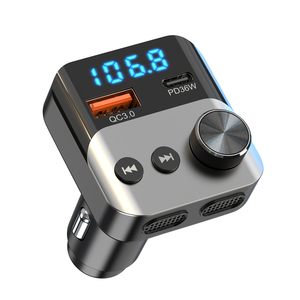
Ensure micro-switches, battery management ICs (PD 36W fast charge circuits), and Bluetooth SoC modules utilize tier-1 silicon vendors (Nordic Semiconductor, Qualcomm, Realtek).
Inspect housing seams, acoustic port seals, and IPX-level sweat/water resistance testing. Micro-cavity sleep earbuds require liquid silicone rubber (LSR) injection molding tools.
Confirm factory ability to compile custom firmware binaries: custom BLE UUIDs, bespoke LED status indicators, tailored EQ curves, and dedicated pairing handshake routines.
Validate manufacturer ISO 9001 quality management systems, BSCI social compliance, UN38.3 battery transport safety certification, and full export customs documentation.
Founded in 2005 by a dedicated team of acoustic engineers, MEE audio (Amsteltech platform) has spent over two decades pioneering consumer and professional audio connectivity, noise mitigation systems, and hearing protection products under the core principle: Music Enjoyment for Everyone.
While starting with high-fidelity portable audio, MEE audio expanded its research and development in 2013 to address critical hearing health challenges. Today, our engineering team specializes in four core domains:
By keeping product catalogues tight, maintaining backward compatibility across accessory lines, delivering detailed technical documentation, and operating responsive business-to-business bulk order pipelines, MEE audio acts as a trusted single-source acoustic manufacturing vendor for distributors, school districts, airlines, care facilities, and retail chains worldwide.
Direct answers from our engineering and logistics support teams on technical specifications, volume orders, and deployment compatibility.
Access complete technical datasheets, acoustic chamber test reports, RF spectrum analysis, and volume wholesale pricing for our full line of noise reduction modules and transceivers.
Get Catalog