

Explore our industry-validated OEM/ODM hardware portfolio engineered for open-ear acoustics, ultra-low latency audio streaming, and multi-protocol industrial connectivity.
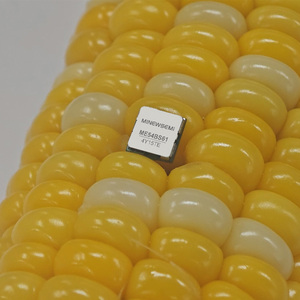
Next-generation Nordic SoC platform featuring 30 GPIOs, 1.5MB Flash, supporting Thread, Matter, and low-latency audio protocol stacks.
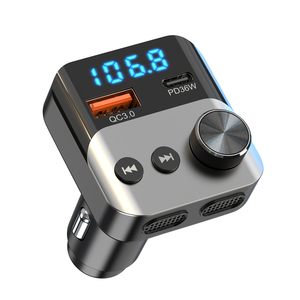
High-power dual USB port adapter with lossless MP3/APE/FLAC/WAV decoding and crystal-clear FM frequency modulation.
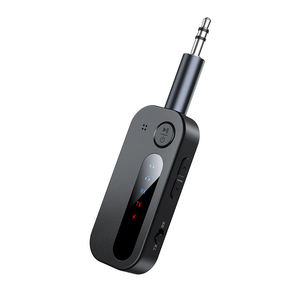
Simultaneous dual-device pairing adapter designed for in-flight entertainment, smart TVs, and vehicle infotainment sound sharing.
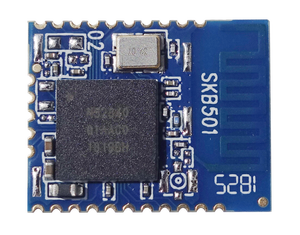
Industrial-grade low-power wireless transceiver IC module tailored for telemetry, water meters, and remote sensing telemetry nodes.
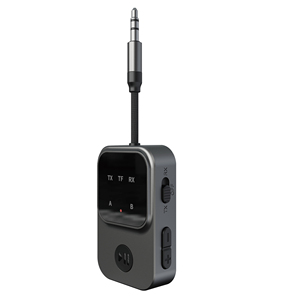
Ultra-compact form factor Bluetooth transceiver offering real-time audio synchronization and high-fidelity directional sound transmission.
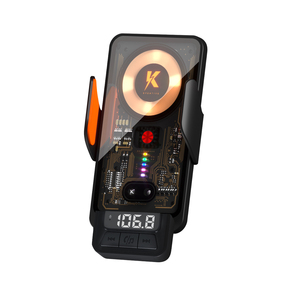
Multifunctional cockpit station featuring hands-free calling, TF/AUX inputs, wireless fast charging, and motorized sensor auto-clamping.
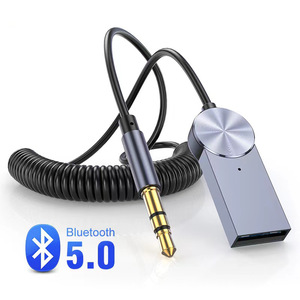
Compact hands-free stereo adapter designed for automotive AUX integration, custom branding, and long-battery mobile audio routing.
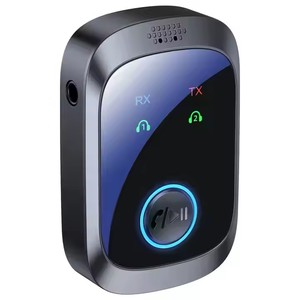
High-grade Bluetooth 5.4 transceiver hub broadcasting simultaneous audio to dual headphones or receiving wireless audio for home stereos.
Understanding the operational principles, directivity algorithms, and frequency responses that differentiate premium OEM China air conduction headphone manufacturers from legacy audio suppliers.
Unlike traditional dynamic in-ear monitors or solid-state bone conduction transducers that vibrate against the temporal bone, Air Conduction Technology leverages precise acoustic wave beaming. Premier Chinese OEM manufacturers utilize dual-port sound apertures configured in a dipole arrangement. By projecting anti-phase sound waves outside the ear canal, high-frequency sound leakage is reduced by up to 30 dB. This ensures open-ear listening privacy in public environments without sacrificing mid-range vocal warmth or sub-bass punch.
Building upon over two decades of acoustic heritage (pioneered by brands like MEE audio), leading tier-1 factories embed hardware-level volume limiting chips capping sound pressure levels (SPL) at 85dB and 94dB per WHO guidelines. Unlike software EQ limits that fail when source volumes peak, hardware resistance circuits protect young ears and prolonged sports listeners from acoustic trauma, making these modules mandatory for educational procurement fleets and clinical assisted-listening applications.
Comprehensive evaluation for OEM procurement managers specifying wireless sports, enterprise communications, and kids' headphone lines.
| Acoustic Architecture | Frequency Response (Hz) | Sound Leakage Mitigation | Wearing Comfort / Pressure | Power Consumption | Primary Use Cases |
|---|---|---|---|---|---|
| Air Conduction (Directional Beam) | 20 Hz - 20,000 Hz (Full Spectrum) | High (Dipole Phase Cancellation) | Zero Ear Canal Pressure / Ultra-Light | Low (Standard 14-18mW Dynamic Drivers) | Sports, Office, Daily Commute, Kids |
| Bone Conduction (Temporal Vibrator) | 100 Hz - 12,000 Hz (Attenuated Bass) | Medium (Vibration Transmission) | High Temporal Clamping Pressure | High (Vibrational Motor Losses ~30mW) | Extreme Water Sports, Tactical, Industrial |
| Traditional TWS (In-Ear Tip) | 10 Hz - 22,000 Hz (Isolated Dynamic) | Complete Passive Isolation | Canal Fatigue / Pressure Build-up | Ultra-Low (~10-12mW) | Audiophile, ANC Travel Noise Reduction |
Where the open-ear acoustic supply chain is heading: key technological shifts every B2B distributor, brand owner, and sourcing executive must evaluate.
The migration toward Bluetooth 6.0 and Nordic nRF54 architecture is revolutionary. Next-gen air conduction modules will feature high-accuracy spatial localization (Channel Sounding) alongside LE Audio LC3 codecs. This allows single-source broadcast (Auracast) to hundreds of headsets in airports, gyms, and museum tours simultaneously—delivering crystal-clear audio with sub-15ms latencies and half the power draw of classic Bluetooth.
Historically, Active Noise Cancellation (ANC) was impossible without sealing the ear canal. China's top acoustic laboratories are now deploying adaptive DSP algorithms that generate inverse acoustic anti-waves targeting constant environmental rumble (such as airplane cabin noise) directly at the outer ear entrance. Expect 2026-2028 flagship air conduction models to incorporate hybrid open-ear ANC.
The convergence of TWS audio with wearable health monitoring is accelerating. Modern ODM suppliers are integrating optical PPG heart-rate sensors, body temperature monitors, and 6-axis motion tracking inside liquid silicone ear hooks. Furthermore, compliance with biocompatibility standards (ISO 10993) ensures non-irritating extended wear for sensitive skin and active sweat exposure.
Global brands demand shorter product launch cycles. Chinese suppliers have transitioned to modular tooling systems. Brands can customize exterior housing finishes, ear-clip tension alloys, driver magnet types (Neodymium N52 vs. N45), and firmware DSP sound profiles without incurring $50,000+ new mold NRE costs, reducing time-to-market from 9 months to under 60 days.
Essential insights for procurement managers, distributors, and private-label buyers negotiating with Chinese air conduction manufacturers.
Connect directly with our engineering team to request sample kits, detailed technical datasheets, factory compliance files, and volume B2B price schedules.
Get a Quote & Request Samples