

High-performance wireless headsets, LE audio transceivers, embedded RF modules, and charging eco-systems engineered for commercial scale and global market compliance.
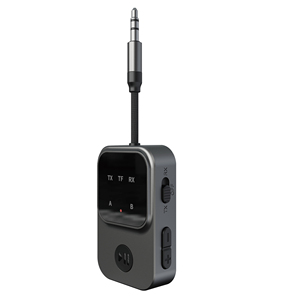
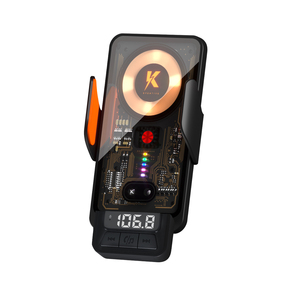
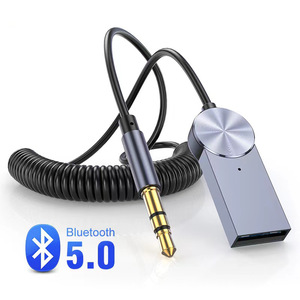
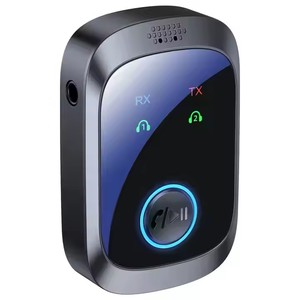
Navigating China’s vast wireless audio manufacturing ecosystem requires a shift from pure unit-cost negotiation toward strict technical capability audits. The modern consumer and institutional audio market demands ultra-low RF latency, stringent hearing safety protocols, long-term silicon availability, and flawless multi-protocol interoperability. Whether you are sourcing wireless TV headphone systems, safe-listening volume-limited headphones for primary education, or specialized low-profile sleep earbuds, selecting the right factory partner in the Pearl River Delta (Shenzhen, Dongguan, Huizhou) defines your product reliability and brand equity.
Since 2005, elite audio original design manufacturers (ODMs) have evolved from contract assemblers into integrated system-in-package (SiP) acoustic labs. A baseline supplier check must evaluate SMT line precision, RF anechoic chamber testing capability, hardware-level DSP firmware customization, and international compliance certifications including CE, FCC, RoHS, REACH, and TELEC.
Leading China wireless headset factories differentiate themselves through rigorous acoustic tuning, proprietary RF circuit design, and absolute control over supply chain components.

B2B buyers issuing RFQs over the next five years must align product roadmaps with fundamental shifts in radio frequency (RF) architecture, codec standards, and ergonomic form factors. Sourcing legacy Bluetooth 5.0 hardware runs the risk of immediate market obsolescence as LE Audio ecosystems expand.
The migration from legacy Bluetooth Classic to Low Energy (LE) Audio driven by the LC3 (Low Complexity Communication Codec) is redefining transmission efficiency. LC3 delivers superior audio quality at half the bit rate of SBC, drastically reducing power consumption and shrinking battery form factors in sleep earbuds and compact transmitters. Procurement specs must prioritize dual-mode chips supporting public Auracast™ multi-stream broadcasts for airport terminals, sports venues, and assistive living facilities.
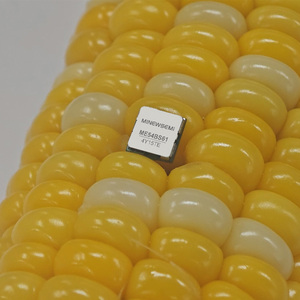
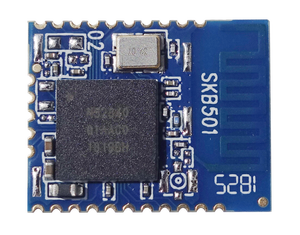
Advanced factories are integrating cutting-edge system-on-chips (SoC) such as the Nordic nRF54L15 and nRF54H20 series. Supporting Bluetooth 6.0, Thread, and Matter, these ICs feature ultra-dense 1.5MB Flash, sub-microamp sleep currents, and enhanced channel sounding for centimeter-level spatial positioning. Sourcing modules built on these platforms ensures cross-ecosystem compatibility across smart home hub ecosystems.
Consumer preference is shifting rapidly from intrusive in-canal TWS earbuds to open-ear clip-on designs (such as Pebbles Air platforms) and directional acoustic air-conduction frames. Brands specifying open-ear headsets require factories capable of controlling sound-leakage through inverted phase acoustic cancellation chambers while preserving low-end bass response.
When evaluating OEM quotes, procurement teams must look beyond superficial housing cosmetics to inspect the underlying RF transceiver architecture and battery management IC (PMIC) selections.
| Chipset & Module Family | Bluetooth Standard | Latency (Transmit/Receive) | Codec Support | Primary Target Application |
|---|---|---|---|---|
| nRF54L15 / ME54BS61 | BT 6.0 / Mesh / Thread | < 10 ms (LC3 Low Latency) | LC3, High Dynamic Range Audio | Smart Home Hubs, Pro AV, Utility Meters |
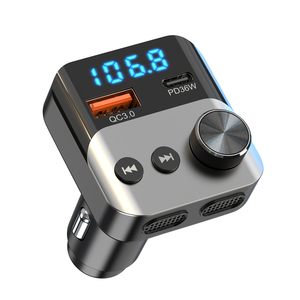
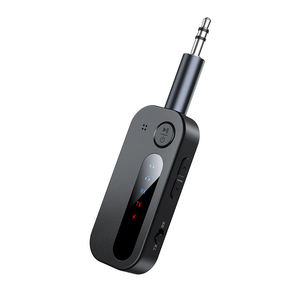
| BT5.4 Dual-Stream Engine | Bluetooth 5.4 | 15 ms – 20 ms | aptX Adaptive, AAC, SBC | Wireless TV Systems, Aircraft Adapters |
| Qualcomm QCC305x Series | Bluetooth 5.3 | < 30 ms (aptX LL) | aptX HD, Lossless, AAC | Audiophile Over-Ear ANC Headsets |
| Integrated Utility BLE IC | Bluetooth 5.0 BLE | Asynchronous Data | GATT Data Packet Engine | AMR Water Meters, Smart Sensors |
Before issuing Non-Recurring Engineering (NRE) fees or placing 5,000-unit pilot purchase orders, ensure your ground inspection or third-party audit firm (e.g., SGS, TÜV Rheinland) verifies the following key metrics on-site:
Verify that the factory owns a fully shielded acoustic anechoic chamber equipped with Head and Torso Simulators (HATS) to measure frequency response curves, passive noise isolation, and active noise cancellation (ANC) attenuation depth (-35dB to -45dB).
Confirm 100% testing of wireless transceivers on LitePoint or Rohde & Schwarz RF test sets to guarantee transmit power (dBm), receiver sensitivity (-95dBm minimum), and frequency deviation tolerances.
Lithium-ion polymer battery packs must feature UN38.3, MSDS, and IEC62133 safety clearances. Ensure the factory conducts high-temperature burn-in tests and overcharge/over-discharge circuit protection checks on 100% of production runs.
Direct answers from our engineering directors regarding custom OEM tooling, MOQ parameters, regulatory testing, and supply chain timelines.