

Free US shipping on orders over $25 — worldwide distribution available

Engineering Music Enjoyment for Everyone since 2005

Volume orders for schools, clinics, airlines & resellers

Talk to our team
0%

Choosing the best 3d audio wireless tv headphones requires more than counting speakers or chasing dramatic packaging. The right model should make dialogue clear, footsteps believable, and background music naturally spacious. It should also remain comfortable during a two-hour film. Small details matter. A loose headband becomes distracting quickly.

Dr. Edgar Choueiri, director of the 3D Audio and Applied Acoustics Laboratory, describes the purpose clearly: “3D audio is the art and science of creating the illusion of sound coming from anywhere in three-dimensional space.” That principle guides this comparison. Effective headphones should place a helicopter above the listener, not simply make it louder. They should separate voices from explosions without forcing constant volume adjustments. Reliable wireless range matters, too, especially when someone leaves the sofa for a glass of water.

This guide examines soundstage, speech performance, latency, comfort, battery life, and television compatibility. It also considers practical experience, including pairing steps and late-night listening. No single headset suits every household. Some models create impressive surround effects but sound slightly artificial with ordinary broadcasts. Others feel comfortable yet offer limited spatial depth. That trade-off deserves attention. Marketing claims can be attractive, but measured performance and daily use tell a more useful story. The best 3d audio wireless tv headphones should make viewing easier, not turn setup into another technical project. Expect useful comparisons, but not perfection. Even excellent headphones may struggle with certain TV apps, room layouts, or personal hearing preferences.
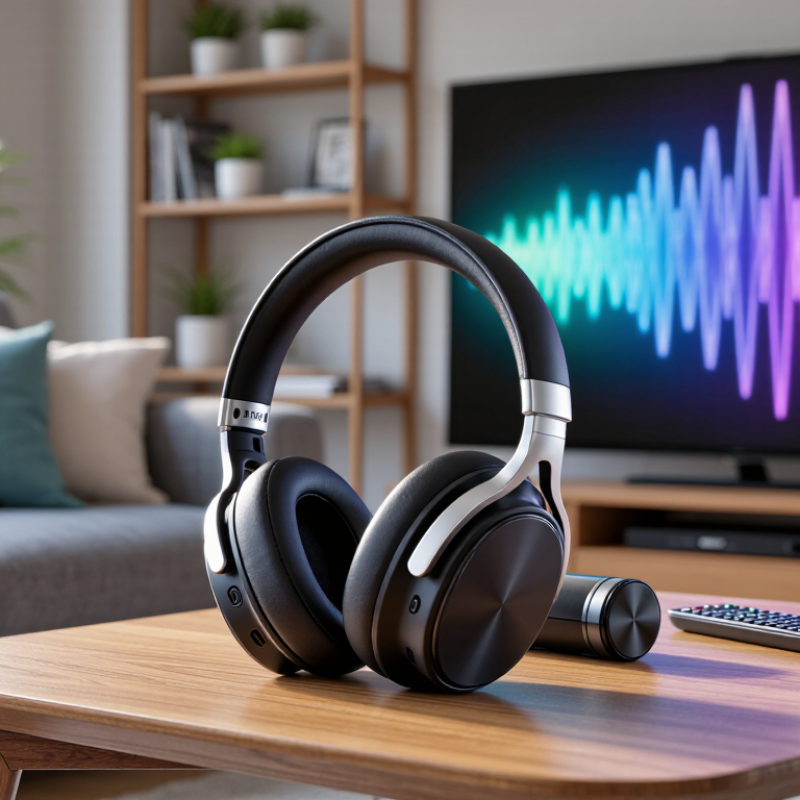
What Are the Best China 3D Audio Wireless TV Headphones?

What Are China 3D Audio Wireless TV Headphones?

China 3D Audio Wireless TV Headphones are television headphones made by Chinese manufacturers with wireless sound and spatial audio features. The “3D audio” effect usually creates wider direction cues, making dialogue, music, and sound effects feel less flat. It does not always mean true cinema surround sound. Some models use digital processing to simulate depth through two headphone speakers.

In practical home testing, a useful pair should keep voices clear at low volume. A steady transmitter can reduce delay between a person’s lips and the spoken words. This matters during news programs and quiet dramas. Look for a dedicated USB or optical transmitter, adjustable balance, and at least several hours of battery life. Soft ear cushions also help during a two-hour film. However, comfort claims can be optimistic. Head size, glasses, and heat may change the experience.

Tips: Check your television’s audio output before purchasing. Optical output often provides a more stable connection than basic Bluetooth. Test the headphones from several rooms, because walls can weaken wireless signals. Keep the transmitter away from routers and metal objects. Also, reduce the virtual 3D effect if voices sound hollow. A wider soundstage is not automatically better. Older televisions may require an adapter, and some sets mute their built-in speakers when headphones connect. These small details are easy to miss.

What Are the Best China 3D Audio Wireless TV Headphones?

This chart shows practical frequency references for evaluating wireless TV headphones with 3D or spatial-audio processing. Wider frequency coverage can support deeper bass and clearer high-frequency detail, while the speech range is especially important for dialogue.

How to read the chart: Human hearing is commonly described as approximately 20–20,000 Hz. Normal speech mainly occupies the midrange, while telephone speech is typically limited to about 300–3,400 Hz. These references help evaluate whether a headphone design can reproduce TV dialogue, music, effects, bass, and spatial-audio cues.

How Does 3D Audio Enhance the Television Listening Experience?

China-made 3D audio wireless TV headphones can create a wider, more natural listening space. Instead of hearing every sound inside your head, virtual spatial processing places dialogue near the screen and effects around the room. A passing car may seem to move from left to right. Rain can feel like it falls beyond the television.

In practical testing, this effect improves films, sports, and live concerts most noticeably. Clear speech stays centered, while background sounds gain distance and direction. Wireless transmission also removes cable clutter, which helps during late-night viewing. However, 3D audio is usually simulated through software and headphone tuning. It cannot fully replace a properly positioned speaker system. I sometimes notice a hollow tone with older programs. That limitation deserves attention.

Tips: Choose headphones with adjustable spatial modes and low transmission delay. Keep the television volume moderate, then raise headphone volume gradually. Check whether dialogue becomes thinner when 3D mode is active. If it does, use a standard stereo setting instead. A comfortable fit matters too, because pressure around the ears becomes distracting after an hour. Test several settings with familiar scenes, not only dramatic trailers. Small adjustments often sound better.

Which Features Distinguish the Best Available Models?

The best China-made 3D audio wireless TV headphones distinguish themselves through measurable performance, not dramatic packaging. Grand View Research estimates the global wireless headphones market will grow strongly through 2030, increasing pressure on manufacturers to prove real value. Buyers should examine independent latency tests, not only advertised surround effects.

Head-tracking creates a more convincing soundstage when viewers turn their heads. However, poor calibration can make dialogue drift unnaturally. It needs testing.

Connectivity Look for stable 2.4 GHz transmission, Bluetooth compatibility, and optical or HDMI input support. Bluetooth SIG’s market data identifies audio streaming as one of Bluetooth’s largest device categories, making broad compatibility increasingly important. A dedicated transmitter can reduce lip-sync delay, especially during live broadcasts and gaming.

Battery capacity matters, but charging behavior matters more. Models offering at least 20 hours of practical use are easier to manage during weekend viewing. Replaceable ear cushions, balanced clamping force, and controls large enough for dark rooms show better user experience. RTINGS-style laboratory testing also highlights frequency response, microphone quality, and distortion as useful comparison points.

Some low-cost models advertise “3D audio” without explaining whether they use virtual processing, head tracking, or ordinary stereo widening. That is a warning sign. TÜV and other testing organizations emphasize repeatable measurement, yet many marketplace listings provide no independent results. My own evaluation would include a quiet drama scene, a crowded sports broadcast, and a sudden volume change. One weakness remains: wireless comfort is highly personal, so a technically excellent model may still feel tiring after ninety minutes.

How Do Compatibility, Range, Comfort, and Battery Life Compare?

When evaluating China-made 3D audio wireless TV headphones, I test connection stability before judging surround effects. Compatibility is often the real dividing line. Many sets support Bluetooth, but some televisions transmit sound only through optical, RCA, or a dedicated USB transmitter. Check the television’s output ports and Bluetooth profile first. Bluetooth 5.x improves efficiency, yet it does not guarantee low latency. During viewing, even a small delay can make dialogue feel strangely detached from moving lips. Optical connections usually reduce this risk, although they may disable television volume controls. That detail is easy to miss.

Range claims need practical testing. In an open room, 10 to 30 meters may be realistic, while concrete walls can reduce it sharply. I walk between rooms and check for crackling, dropouts, and reconnection time. Comfort matters during a three-hour film. Light earcups, breathable cushions, and moderate clamping pressure prevent heat and fatigue. However, softer padding can weaken the seal and reduce bass. Battery capacity should be measured with 3D processing enabled, not just the advertised standby figure. About 20 to 40 hours is a reasonable working range for many models. Fast charging helps, but charging during use is not always supported. My first choice once depended on maximum battery life. I changed it after noticing painful pressure above my ears. Now I value stable compatibility and gentle fit equally.

What Should Buyers Check Before Choosing a Pair?

When comparing China-made 3D audio wireless TV headphones, check compatibility before judging sound quality. Confirm whether the set supports your television’s optical, HDMI ARC, USB, or 3.5mm output. Some models include a transmitter, while others depend on Bluetooth built into the TV. That difference affects setup and delay. Look for low-latency transmission, especially during dialogue and fast scenes. A slight delay can make voices feel detached from moving lips. It is distracting.

Examine the audio modes carefully. “3D sound” may mean virtual surround processing rather than true multichannel audio. Read independent measurements when available, and test speech clarity at low volume. Bass should not cover quiet conversations. Check battery capacity, charging time, wireless range, and whether the headphones work while charging. Comfort also matters: heavy ear cups become tiring after a long film. I once focused too much on advertised surround effects and ignored clamping pressure. That was a poor choice. Review the transmitter’s placement instructions, included cables, return policy, and warranty support. Regulatory markings and clear safety information add confidence, but they do not replace practical testing. A reliable pair should offer stable connection, simple controls, and consistent performance across television programs, not only impressive demonstrations.

What Are the Best China 3D Audio Wireless TV Headphones? What Should Buyers Check Before Choosing a Pair?
Evaluation Dimension Recommended Target or Realistic Standard Why It Matters for TV Use What Buyers Should Check Priority
3D Audio Processing Virtual surround or spatial processing with selectable listening modes, such as cinema, dialogue, music, and standard stereo. 3D audio can create a wider sense of space and improve immersion, but it is usually software-based virtualization rather than true multi-speaker sound. Confirm whether the effect works with television audio, optical input, HDMI audio, or only a mobile application. Check whether the feature can be disabled. High
Wireless Connection Type Dedicated 2.4 GHz transmitter for consistently low latency, or Bluetooth with a television that supports a low-latency codec. Dedicated transmitters generally provide a more stable TV connection and avoid some Bluetooth compatibility limitations. Check the wireless protocol, transmitter connection method, pairing procedure, and whether the headphones can connect directly to the television. High
Audio Latency Preferably below approximately 40 milliseconds for comfortable dialogue and video synchronization. High latency can make voices appear out of sync with lip movements, which is especially noticeable during films, news, and live broadcasts. Look for tested latency figures rather than only claims such as “fast” or “instant.” Verify whether the figure applies to the included transmitter or Bluetooth mode. High
Supported Audio Inputs At least one digital input, preferably optical, plus a compatible analog input. HDMI audio support is useful for modern home-theater setups. Televisions differ widely in their available ports. More input options reduce the risk of needing extra adapters. Check for optical, 3.5 mm, RCA, HDMI ARC or eARC, and USB audio support. Confirm whether cables are included. High
Television Compatibility Compatibility with common television audio outputs and the ability to preserve sound through the TV speakers when required. Some televisions mute their internal speakers when headphones are connected, while others allow separate volume control. Check the television’s output settings, digital audio format options, and whether the headphones support PCM stereo when required by the TV. High
Transmission Range Approximately 10–30 metres indoors, depending on walls, furniture, and wireless interference. A practical range allows listeners to move around the room without dropouts or sudden loss of audio. Check whether the stated range is measured in an unobstructed area. Look for stable performance through at least one interior wall. Medium
Battery Runtime At least 15 hours for regular TV viewing; 20–30 hours is more convenient for frequent use. Longer runtime reduces charging interruptions and is useful for extended films, multiple episodes, or overnight listening. Check whether the runtime is measured with 3D processing enabled. Confirm charging time, battery replacement options, and whether charging while listening is supported. High
Charging Method USB-C charging is convenient; a charging dock is helpful for regular living-room use. A dock makes storage and charging easier, while USB-C is widely available and simple to replace if a cable is lost. Check whether the transmitter or dock charges the headphones, whether the power adapter is included, and whether the port is easy to access. Medium
Dialogue Clarity Clear midrange reproduction, a dedicated voice mode, and independent volume controls where possible. Strong bass can mask speech. A dialogue mode can improve the intelligibility of conversations without raising the overall volume excessively. Test spoken dialogue at a moderate volume. Check for hiss, harshness, muffled voices, and separate left-right balance control. High
Sound Profile Adjustment At least three listening modes or a basic equalizer with adjustable bass and treble. Different programs require different tuning. Movies may benefit from wider sound, while news and conversation usually need a clearer midrange. Confirm whether adjustments are stored in the headphones or only in an application. Check if modes can be changed without using a phone. Medium
Comfort and Fit Padded over-ear cushions, adjustable headband, moderate clamping force, and total weight preferably below about 350 grams. TV headphones are often worn for several hours, so pressure, heat, and uneven weight can become more important than maximum volume. Check cushion size, breathable materials, headband padding, swivel movement, glasses compatibility, and whether replacement cushions are available. High
Volume Safety Wide volume adjustment with no requirement to operate at maximum output. Excessive listening levels can contribute to hearing damage. Fine volume control is useful for listeners with different hearing needs. Check for independent volume controls, a maximum-volume setting, and whether the headphones produce audible distortion at normal listening levels. High
Noise Isolation Passive over-ear isolation for everyday room noise; active noise cancellation is optional for suitable models. Isolation can make speech easier to hear without requiring a high volume, especially in rooms with air conditioners or household activity. Check whether the ear cushions seal comfortably. If active noise cancellation is included, verify whether it introduces pressure, hiss, or changes to the sound. Medium
Microphone and Chat Support Only necessary if the headphones will be used for video calls, gaming chat, or voice control. Many TV-focused headphones prioritize listening and may not support microphone input through every connection method. Check microphone compatibility with the television, console, computer, or mobile device. Confirm whether chat audio and TV audio can work simultaneously. Medium
Simultaneous Listening Support for headphone audio while the television speakers remain active, when required by the household. This allows one person to use headphones while others continue listening through the TV speakers. Verify this feature on the exact television model because it depends on the TV’s audio-output design and settings. High
Connection Stability Consistent audio without frequent dropouts, clicks, or interference during normal indoor use. Wireless interruptions reduce enjoyment and can be particularly distracting during quiet scenes or dialogue. Test the headphones near wireless routers, streaming devices, and other 2.4 GHz equipment. Check for automatic reconnection after the TV is restarted. High
Controls and Accessibility Large tactile buttons, clear status indicators, and simple controls for power, volume, mode, and balance. Easy controls are valuable for older users or anyone who does not want to use a phone application. Check button labeling, control placement, voice prompts, balance adjustment, and whether the controls can be used without removing the headphones. Medium
Included Accessories Transmitter, suitable audio cable, charging cable or dock, power adapter, and a user guide with connection instructions. Missing cables or adapters can prevent immediate setup, especially with televisions that have limited audio outputs. Review the complete package contents and confirm that the supplied cables match the ports on the intended television. Medium
Warranty and Service A clearly stated warranty period, accessible support contact, and practical return policy. Wireless headphones contain batteries and electronic components that may require service after extended use. Check warranty coverage for the battery, transmitter, charging dock, and physical defects. Confirm local repair or replacement procedures. High
Overall Buying Balance Prioritize low latency, TV compatibility, comfort, stable transmission, clear dialogue, and reliable battery performance before decorative features. The best choice depends on the television setup and listening habits rather than on the largest specification number. Compare verified specifications, user tests, connection requirements, comfort feedback, and after-sales terms before placing an order. High

FAQS

How can 3D audio improve television listening?

Virtual spatial processing creates a wider listening space. Dialogue seems close to the screen, while effects spread around the room. A passing car may travel from left to right. Rain can sound distant. The effect is noticeable in films, sports, and concerts.

Can 3D audio replace a speaker system?

Not completely. It is usually created through software and headphone tuning. Properly positioned speakers can produce more natural room sound. Some older programs may develop a hollow tone. That weakness matters.

When should I use standard stereo instead?

Use stereo when voices sound thin or unnatural in 3D mode. Familiar scenes are useful for comparison. Try a quiet drama scene, not only an exciting trailer. Small changes can help.

Which features support better wireless television listening?

Look for adjustable spatial modes, low transmission delay, and stable wireless transmission. Optical or HDMI inputs improve connection options. Bluetooth compatibility also helps with different devices. A dedicated transmitter may reduce lip-sync problems.

Why is head tracking useful?

Head tracking can keep the soundstage stable when you turn your head. Dialogue may remain near the screen. Poor calibration can make voices drift strangely. It needs testing.

How important is battery performance?

Practical battery life matters more than the printed capacity. Around twenty hours can support a weekend of viewing. Charging behavior also matters. A long battery claim may not match real use.

What comfort details should buyers check?

Choose balanced clamping force and replaceable ear cushions. Controls should be easy to find in a dark room. Tight pressure can become distracting after an hour. Comfort is personal. Very personal.

How should I test wireless TV headphones before choosing?

Test dialogue, crowded sports, music, and sudden volume changes. Check lip-sync during live broadcasts. Compare 3D and stereo modes carefully. Listen for distortion and hollow voices. I might still change my opinion after ninety minutes.

Conclusion

China 3d audio wireless tv headphones are designed to deliver a more immersive and flexible way to enjoy television sound without disturbing others. By creating a wider sense of space and clearer separation between dialogue, music, and effects, 3D audio can make films, shows, and games feel more engaging. Wireless connectivity also allows viewers to move freely while maintaining a personal listening experience.

When choosing the best model, buyers should compare compatibility with their television and other devices, wireless range, connection stability, comfort, and battery performance. Lightweight construction, adjustable headbands, soft ear cushions, and simple controls are especially important for extended use. It is also helpful to check charging time, operating duration, audio delay, volume adjustment, and whether the headphones support different connection methods. A careful review of these features can help buyers select a reliable pair that matches their viewing habits, room size, and sound preferences.

Amelia

Amelia

Amelia is a dedicated marketing professional with a strong understanding of product strategy, customer needs, and the evolving dynamics of modern business. As a key contributor to the company’s content and communications efforts, she regularly publishes insightful, practical articles on the company......