Free US shipping on orders over $25 — worldwide distribution available

Engineering Music Enjoyment for Everyone since 2005

Volume orders for schools, clinics, airlines & resellers

Talk to our team

Blog

Top Open Ear Earclip Earbuds for Global Buyers

Top Open Ear Earclip Earbuds for Global Buyers

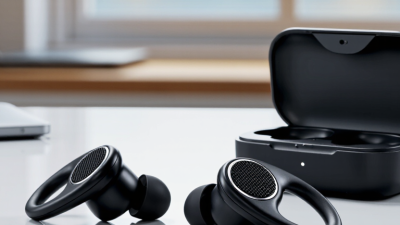
Choosing the top open ear earclip earbuds for global buyers requires more than comparing battery claims and glossy photographs. These compact devices sit outside the ear canal, leaving users aware of traffic, colleagues, and household sounds. Their comfort depends on ear shape, clamp pressure, frame weight, and skin contact. Small differences become obvious after two hours. Dr. Sean Olive, a respected acoustics researcher, has repeatedly emphasized a practical principle: “There is no substitute for listening.” That advice matters here. Open designs can sound spacious, but bass may weaken in noisy streets. Earclips can feel secure during walking, yet loosen during intense movement. Microphone quality may impress indoors and struggle beside heavy traffic. No single model wins every situation. This guide examines open ear earclip earbuds through a buyer’s daily experience. It considers sound balance, call clarity, battery behavior, charging cases, durability, controls, and device compatibility. Global shoppers should also check warranty coverage, language support, shipping conditions, and local connectivity requirements. Marketing terms can be vague. Verification matters. The honest limitation is fit. A product praised by one reviewer may press painfully on another person’s ear. Personal testing remains valuable, even when specifications look excellent. These earbuds are not a universal replacement for sealed headphones. They serve a different purpose: comfortable awareness with practical, lightweight audio. That distinction can prevent an expensive mistake.
Read more »

Seraphina By:Seraphina - October 15, 2026
How to Choose Custom In Ear Monitors for Musicians?

How to Choose Custom In Ear Monitors for Musicians?

Choosing custom in-ear monitors for musicians is more personal than selecting headphones from a product shelf. The right pair should support accurate monitoring, stable fit, and comfortable performance under pressure. A singer may need clear vocal presence. A drummer may prioritize strong isolation and precise timing. Guitarists often need balanced midrange detail. Small differences matter on stage. Custom in-ear monitors for musicians are molded from impressions of the listener’s ears. This process can improve security during movement and reduce unwanted external noise. However, a custom shell is not automatically comfortable or acoustically correct. An experienced audiologist should take the impressions carefully. The manufacturer should also explain driver design, sensitivity, impedance, cable options, and realistic isolation levels. Professional musicians commonly test monitors during rehearsals, not only in quiet rooms. That practical step can reveal harsh frequencies, weak bass, or excessive occlusion. Fit is only one part of the decision. Consider your performance environment, monitoring system, travel routine, and budget. A reliable model should offer replaceable cables, clear warranty terms, and accessible service support. Keep hearing safety in view. Excessive volume can damage hearing, even when the sound feels clean. Use sensible levels and take regular breaks. There is no perfect monitor for everyone. Room acoustics change. Ear shapes differ. Personal preferences can be inconsistent, too. This guide will compare the main choices and highlight the compromises behind them. A thoughtful decision may take more time, but it can make every rehearsal feel more controlled and every performance more confident.
Read more »
Ethan By:Ethan - October 10, 2026
What Are the Best China 3D Audio Wireless TV Headphones?

What Are the Best China 3D Audio Wireless TV Headphones?

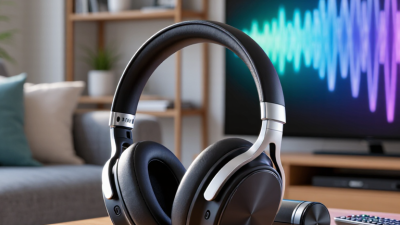
Choosing the best 3d audio wireless tv headphones requires more than counting speakers or chasing dramatic packaging. The right model should make dialogue clear, footsteps believable, and background music naturally spacious. It should also remain comfortable during a two-hour film. Small details matter. A loose headband becomes distracting quickly. Dr. Edgar Choueiri, director of the 3D Audio and Applied Acoustics Laboratory, describes the purpose clearly: “3D audio is the art and science of creating the illusion of sound coming from anywhere in three-dimensional space.” That principle guides this comparison. Effective headphones should place a helicopter above the listener, not simply make it louder. They should separate voices from explosions without forcing constant volume adjustments. Reliable wireless range matters, too, especially when someone leaves the sofa for a glass of water. This guide examines soundstage, speech performance, latency, comfort, battery life, and television compatibility. It also considers practical experience, including pairing steps and late-night listening. No single headset suits every household. Some models create impressive surround effects but sound slightly artificial with ordinary broadcasts. Others feel comfortable yet offer limited spatial depth. That trade-off deserves attention. Marketing claims can be attractive, but measured performance and daily use tell a more useful story. The best 3d audio wireless tv headphones should make viewing easier, not turn setup into another technical project. Expect useful comparisons, but not perfection. Even excellent headphones may struggle with certain TV apps, room layouts, or personal hearing preferences.
Read more »
Amelia By:Amelia - October 5, 2026
Why Use a Bluetooth Audio Transmitter for TV?

Why Use a Bluetooth Audio Transmitter for TV?

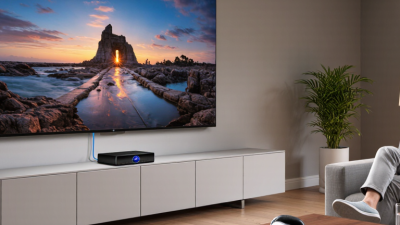
Watching television should not require turning up the volume until the walls vibrate. Yet many viewers struggle with muffled dialogue, short cables, or sound that disturbs family members. A bluetooth audio transmitter for tv offers a practical connection between a television and compatible Bluetooth headphones, earbuds, or speakers. It can place clear speech closer to the listener. It can also support more comfortable viewing at night. Bluetooth SIG CEO Mark Powell stated, “LE Audio will improve the performance of Bluetooth audio.” This point matters for television users. Better audio performance can support clearer dialogue and more flexible listening. However, a transmitter is not a magic fix. The television must provide a suitable audio output, such as optical, AUX, or RCA. The receiving headphones must also support the transmitter’s connection profile. Small details affect the experience. A compact transmitter may sit behind the television. An optical cable can reduce unwanted electrical noise. Low-latency support may help keep lips aligned with speech. Still, delays can appear with some headphones, especially older models. Pairing may fail after a software update. That is frustrating. Real-world testing matters. Check the TV’s output settings before buying. Confirm whether the television speakers remain active. Consider range, codec support, charging needs, and connection stability. The best choice depends on the room, viewing distance, and listener’s hearing preferences. This guide examines why a bluetooth audio transmitter for tv can improve everyday viewing, while recognizing its limits.
Read more »
Amelia By:Amelia - September 30, 2026
How to Choose Volume Limiting Headphones for Kids?

How to Choose Volume Limiting Headphones for Kids?

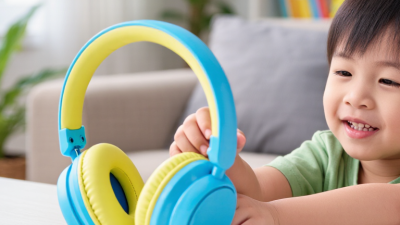
Choosing volume limiting headphones for kids is not merely a shopping decision. It is a hearing-protection decision made for small ears, growing brains, and daily listening habits. The World Health Organization’s World Report on Hearing estimates that over one billion young people face preventable hearing risks from unsafe recreational listening. Its WHO-ITU Global Standard for Safe Listening recommends exposure limits near 75 decibels for children. These figures give parents a useful reference, but they do not make every “safe volume” label trustworthy. Product testing matters. So does the child’s listening environment. Brian Fligor, ScD, a pediatric audiologist and safe-listening researcher, has stressed a simple principle: “The louder the sound, the less time you should listen.” That sentence is easy to remember. It is also easy to ignore. The best volume limiting headphones for kids should provide a genuine output cap, comfortable ear cushions, and a secure fit. Look for independent measurements, clear decibel claims, and controls that children cannot easily override. A claimed 85-decibel limit may still be unsuitable for long daily sessions. Marketing language can hide important details. Parents should test the headphones quietly in a real setting. Listen for balanced sound, not booming bass. Check the fit after ten minutes. Watch whether the child raises the volume around traffic, classrooms, or airplane noise. No headphone can replace healthy listening breaks. That is the imperfect part. Even excellent technology depends on adult supervision, honest product information, and a child’s changing habits.
Read more »
Amelia By:Amelia - September 22, 2026
How to Choose the Best Wireless Sleeping Earbuds?

How to Choose the Best Wireless Sleeping Earbuds?

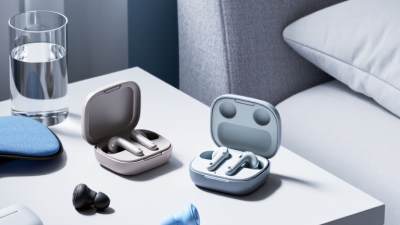
Choosing the best wireless sleeping earbuds is not simply a matter of finding the smallest pair. Your ears, sleeping position, room noise, and bedtime habits all change the decision. A side sleeper may need a flatter design, while a back sleeper might prefer stronger battery performance. Fit matters most. Even excellent sound becomes irritating when an earbud presses against your pillow. Sleep scientist Matthew Walker says, “Sleep is the single most effective thing we can do to reset our brain and body health each day.” That reminder keeps technology in perspective. Wireless sleeping earbuds should support rest, not compete with it. Look for soft materials, stable Bluetooth performance, low heat, simple controls, and a timer that stops audio automatically. Keep volume moderate. Loud overnight playback may disturb sleep or cause hearing concerns. A secure charging case also helps maintain hygiene and prevents a missing earbud at dawn. There is no perfect model. This guide compares wireless sleeping earbuds through practical testing and expert-informed criteria. We will examine comfort after several hours, especially for side sleepers. We will also consider battery life, microphone usefulness, noise masking, app controls, and cleaning requirements. Some claims deserve skepticism. “All-night comfort” can feel very different across users, and advertised battery figures may change with volume and features enabled. Personal experience still matters. A product that disappears comfortably for one sleeper may create pressure points for another. The right choice is therefore not the most expensive pair, but the one that quietly fits your body, routine, and sleep environment.
Read more »
Ethan By:Ethan - September 22, 2026
Why Use an In Flight Bluetooth Audio Transmitter?

Why Use an In Flight Bluetooth Audio Transmitter?

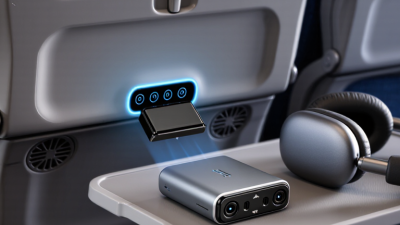
Air travel often means long hours, limited space, and entertainment systems that rarely match your preferences. A reliable in-flight bluetooth audio transmitter can connect wireless headphones to an aircraft’s seatback screen. That small device may remove the familiar problem of tangled cables and uncomfortable earbuds. The idea is simple. The transmitter plugs into the aircraft’s headphone socket and sends audio to compatible Bluetooth headphones. In practical use, travelers should check the transmitter’s pairing process before boarding. Testing it at home can prevent confusion when cabin lights are dim and boarding is nearly complete. Battery life also matters. A device that lasts through a long-haul flight offers greater confidence than one requiring frequent charging. Compatibility deserves attention. Some aircraft use dual-prong audio ports, while others use a standard single socket. A suitable adapter may be necessary. Bluetooth versions, codec support, and audio delay can also affect the experience. Movies may feel less natural when voices arrive after the picture. Not every transmitter performs equally well. That limitation matters. Marketing claims can sound stronger than real cabin performance. Passengers should consider independent testing, clear specifications, warranty coverage, and return policies before buying. Safety instructions should always come first, including keeping devices charged and following crew guidance. Used thoughtfully, an in-flight Bluetooth audio transmitter offers convenience without replacing careful preparation. It can make a seatback movie, podcast, or music playlist easier to enjoy. The improvement is modest, but noticeable. Sometimes, comfort comes from solving one small annoyance.
Read more »
Ethan By:Ethan - September 22, 2026