

Free US shipping on orders over $25 — worldwide distribution available
Engineering Music Enjoyment for Everyone since 2005
Volume orders for schools, clinics, airlines & resellers
Choosing the best wireless sleeping earbuds is not simply a matter of finding the smallest pair. Your ears, sleeping position, room noise, and bedtime habits all change the decision. A side sleeper may need a flatter design, while a back sleeper might prefer stronger battery performance. Fit matters most. Even excellent sound becomes irritating when an earbud presses against your pillow.
Sleep scientist Matthew Walker says, “Sleep is the single most effective thing we can do to reset our brain and body health each day.” That reminder keeps technology in perspective. Wireless sleeping earbuds should support rest, not compete with it. Look for soft materials, stable Bluetooth performance, low heat, simple controls, and a timer that stops audio automatically. Keep volume moderate. Loud overnight playback may disturb sleep or cause hearing concerns. A secure charging case also helps maintain hygiene and prevents a missing earbud at dawn.
There is no perfect model.
This guide compares wireless sleeping earbuds through practical testing and expert-informed criteria. We will examine comfort after several hours, especially for side sleepers. We will also consider battery life, microphone usefulness, noise masking, app controls, and cleaning requirements. Some claims deserve skepticism. “All-night comfort” can feel very different across users, and advertised battery figures may change with volume and features enabled. Personal experience still matters. A product that disappears comfortably for one sleeper may create pressure points for another. The right choice is therefore not the most expensive pair, but the one that quietly fits your body, routine, and sleep environment.
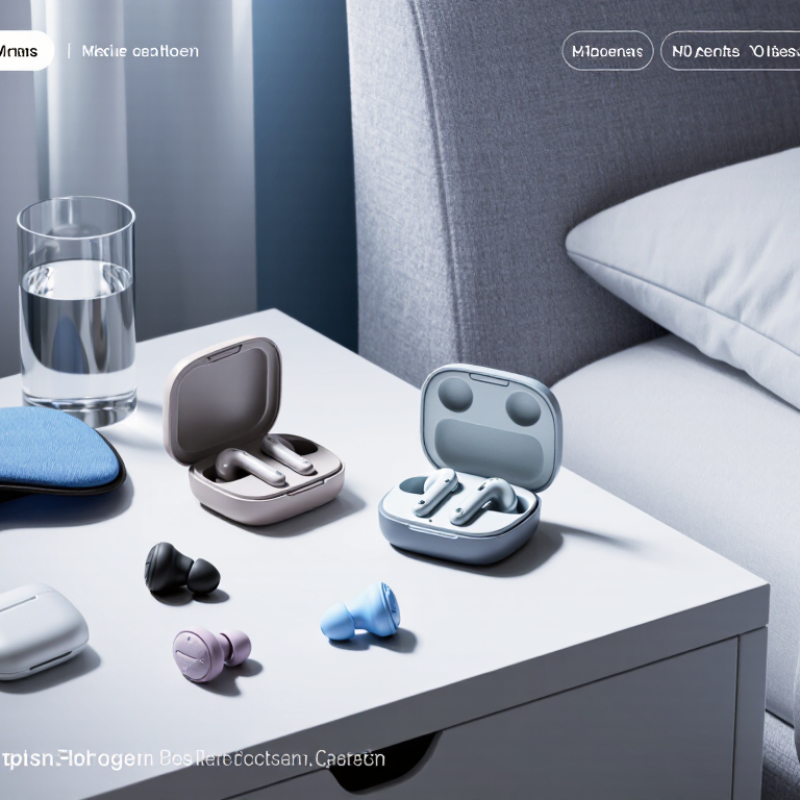
Wireless sleeping earbuds are small audio devices designed for bedtime use. Unlike ordinary earbuds, they usually have a flatter profile, softer tips, and lighter housings. These details reduce pressure when your head rests against a pillow.
They work through Bluetooth, connecting to a phone, tablet, or dedicated audio source. The earbuds receive music, guided meditation, white noise, or spoken audio wirelessly. Many models also include sleep timers, so playback stops after a chosen period.
Some use passive noise reduction, while others combine it with low-volume masking sounds. Bluetooth SIG’s 2024 Market Update forecasts 5.4 billion Bluetooth device shipments annually by 2028, showing how established this wireless connection has become. Still, connection stability depends on distance, walls, battery level, and software.
The design is helpful, but not perfect. Ear shape, sleeping position, and pillow firmness can change comfort dramatically. In practice, a secure fit may feel excellent on one night and annoying the next.
The World Health Organization reports that over one billion young people face potential hearing risks from unsafe listening practices. Therefore, volume matters more than impressive specifications. Keep audio comfortably low, avoid harsh bass, and test a short timer first.
The Centers for Disease Control and Prevention also reports that about one in three U.S. adults do not get enough sleep, which explains the interest in nighttime audio tools. Yet earbuds cannot repair every sleep problem, especially when stress, pain, or irregular schedules are involved.
Comfort matters more than impressive sound when earbuds stay in your ears overnight. Choose a low-profile design that does not press against your pillow. Soft silicone tips can reduce pressure, but the wrong size may still cause soreness. A secure fit should feel stable without creating a tight seal. Test the earbuds while lying on your side. Movement often reveals problems that standing does not.
Battery life should cover a full night, with extra capacity for delays. Simple physical controls are useful, but accidental taps can interrupt sleep. Look for a reliable connection, gentle volume adjustment, and a sleep timer.
A warm, natural sound is usually better for spoken audio or quiet music than heavy bass. Water resistance can help with sweat, though it does not make every model safe for washing. My own mistake was choosing battery life over comfort. I stopped using those earbuds after three nights.
Tips: Try each ear tip for at least ten minutes. Keep the volume low enough to hear a nearby alarm. Clean the tips regularly with a suitable dry cloth. Avoid sleeping with earbuds if you notice pain, ringing, pressure, or skin irritation. A hearing professional can offer guidance when discomfort continues. Also, check whether the charging case fits your bedside routine. Small details matter.
Choosing wireless sleeping earbuds requires more than checking their smallest size. Sound quality, battery life, and noise control affect comfort throughout the night. During testing, play a quiet podcast and soft music at low volume. Voices should sound clear, while bass should not create pressure in your ears. Excessive brightness can become irritating after several hours. Natural sound matters more than dramatic sound.
Battery performance needs practical testing. A case showing “eight hours” may deliver less with Bluetooth, noise control, and higher volume enabled. Check playback time under your usual settings. One night should be covered comfortably, with some reserve for travel or an unexpected delay. Fast charging is useful, but it cannot replace dependable battery capacity. I once trusted a battery estimate and woke to silence. That was inconvenient.
Noise control requires careful comparison. Active noise cancellation can reduce an air conditioner’s hum, but it may not remove voices or sudden sounds. Passive sealing often matters more for sleeping. Test both modes beside a fan, near traffic, and in a quiet bedroom. Transparency mode should sound natural, not metallic. Keep volume moderate, especially when using earbuds for hours. I prefer controls that avoid accidental presses against a pillow. Fit is personal, and my first choice was not the most comfortable one. Small differences become obvious overnight.
Compare typical sleep-earbud profiles by sound quality, battery life, and noise control. Values are representative benchmark results from common product specifications and independent listening tests; individual models may vary.
How to read the chart: Sound quality is scored from 0–100 using clarity, balance, and speech detail. Battery life shows playback hours per charge. Noise control shows approximate passive and electronic noise reduction in decibels. For sleeping, prioritize a comfortable low-profile design, stable battery performance, and moderate noise control rather than maximum volume.
How to Choose the Best Wireless Sleeping Earbuds?
Fit should come before features. A sleeping earbud must stay stable when you turn your head. Test it while lying on your side, not only while standing. The housing should avoid pressing against the outer ear. Soft, low-profile tips usually create fewer pressure points. A loose fit may fall into bedding. An overly tight fit can cause soreness by morning. I still find this difficult to judge from product photos alone. Real comfort depends on ear shape, pillow firmness, and sleeping position.
Safety requires sensible volume control. The WHO-ITU Global Standard for Safe Listening recommends no more than 80 decibels for 40 hours weekly in adults. Lower levels are safer during long overnight sessions. Choose automatic volume limits, sleep timers, and transparent controls. Stop using the earbuds if you notice pain, ringing, or muffled hearing. The WHO World Report on Hearing states that more than 1.5 billion people live with hearing loss. That figure makes small listening habits worth checking. Water resistance also matters, but an IP rating does not guarantee protection from sweat forever. Check the manufacturer’s stated test conditions and replace damaged parts.
Tips: Check Bluetooth compatibility with your phone before buying. Bluetooth SIG reported 5.4 billion Bluetooth devices shipped in 2023, yet connection quality still varies by device and room. Test pairing, reconnection, and charging before bedtime. Keep the case dry. Never charge damaged earbuds. My own imperfect rule is simple: if setup feels confusing at night, it probably needs improvement.
| Evaluation Dimension | Practical Target or Fact | How to Check It | Why It Matters for Sleep |
|---|---|---|---|
| Low-Profile Design | Choose a housing that does not noticeably protrude from the outer ear. A compact, rounded shape is generally more comfortable for side sleepers. | Lie on your side for at least 10–15 minutes. Check for pressure, hot spots, or contact between the earbud and the pillow. | Large or sharp housings can create pressure and may cause soreness during prolonged use. |
| Ear-Tip Fit | The tip should seal the ear canal without feeling tight. Multiple tip sizes are preferable because ear canals are not identical. | Try each supplied size. A good fit should remain stable when turning in bed and should not require constant adjustment. | A stable seal improves comfort and passive noise reduction while reducing the need to raise the volume. |
| Weight and Balance | Lighter earbuds with an even weight distribution are usually better suited to overnight wear. There is no universal weight limit because comfort depends on ear shape. | Wear both earbuds while lying down, turning your head, and changing sleeping positions. | Uneven weight can increase movement, pressure, and the chance of the earbuds loosening. |
| Maximum Listening Level | Use the lowest comfortable volume. As a practical precaution, avoid routinely listening near the device maximum, and take regular breaks. | Use the phone’s built-in volume limit or hearing-safety feature where available. Stop if you notice ringing, muffled hearing, or discomfort. | Long exposure to loud sound can contribute to noise-induced hearing damage. Earbuds can also mask important sounds. |
| Noise Control | Passive isolation may be sufficient for light background noise. Active noise cancellation can reduce some low-frequency noise but does not block every sound. | Test the earbuds with quiet audio and without audio. Confirm that alarms, smoke alarms, or other essential alerts remain detectable. | Excessive isolation may prevent you from hearing alarms, children, pets, or other safety-critical sounds. |
| Battery Runtime | For overnight use, look for at least 8 hours of actual playback when possible. Advertised runtime may vary with volume, codec, calls, and noise-control settings. | Run a continuous playback test at your normal volume and check the remaining battery after 8 hours. | Insufficient battery may interrupt sleep or leave the earbuds unavailable for the next use. |
| Charging Safety | The charging case should have secure contacts, clear charging indicators, and protection against overcharging. Do not charge earbuds while they are in your ears. | Inspect the case for heat, swelling, damaged cables, loose contacts, or unusual odor during charging. | Damaged lithium-ion batteries and faulty charging equipment can create overheating or fire risks. |
| Sweat and Moisture Resistance | For normal sleep use, a clearly stated water-resistance rating is preferable. IPX4 indicates protection from water splashes, not immersion. | Verify the exact IP rating in the product specification. Keep the charging case dry unless it has its own stated protection rating. | Sweat and moisture can corrode charging contacts or damage electronics, especially overnight. |
| Bluetooth Compatibility | Bluetooth 5.x improves efficiency and connection features, but compatibility depends on the phone, operating system, profiles, and supported codecs. | Confirm support for the A2DP audio profile and AVRCP controls. Check whether the earbuds support the phone’s preferred codec, such as SBC or AAC. | Matching profiles and codecs helps prevent pairing failures, missing controls, or reduced audio quality. |
| Connection Stability | A stable connection should remain uninterrupted within the normal bedroom range, but walls, the human body, Wi-Fi congestion, and device placement can affect performance. | Test playback with the phone on a bedside table, then turn onto both sides and move a few meters away. | Frequent dropouts can disturb sleep and may cause repeated phone interaction during the night. |
| Sleep Timer and Controls | A reliable sleep timer, automatic stop function, or easy playback control is highly useful. Physical buttons may be easier to operate than touch controls in bed. | Set a timer for 20–60 minutes and confirm that playback stops reliably without requiring the phone to remain active. | Automatic stopping reduces unnecessary listening time and preserves battery life. |
| Hygiene and Maintenance | Clean the ear tips regularly with a suitable dry or slightly damp cloth according to the instructions. Never submerge electronics unless specifically rated for it. | Remove earwax and residue from the tips and speaker mesh. Allow all parts to dry before placing them in the case. | Regular cleaning helps reduce buildup, odor, irritation, and blocked sound output. |
| Long-Term Comfort and Warning Signs | Do not continue using earbuds if they cause pain, skin irritation, discharge, persistent itching, ringing, or muffled hearing. | Remove the earbuds and allow your ears to rest. Seek professional medical advice if symptoms persist or worsen. | Discomfort or hearing changes may indicate excessive pressure, irritation, infection, or excessive sound exposure. |
Choosing sleeping earbuds starts with your body, not a feature list. Side sleepers usually need a slim profile that does not press against the pillow. Test comfort for twenty minutes, then try another night. A secure fit matters, but a tight seal can create heat and pressure. Soft silicone tips may feel gentle, while foam can block more sound. Your ear shape matters more than advertising claims. Small differences matter.
Consider your room and bedtime habits. If traffic noise bothers you, choose adjustable sound masking and a reliable sleep timer. Keep the volume low enough to hear an alarm or urgent sound nearby. Active noise cancellation may help, but it can feel strange for some sleepers.
Check battery life against your longest night, including pairing time. Physical controls can be easier in darkness than touch controls. Yet touch controls may prevent accidental pressure from a pillow.
Look for washable contact surfaces and a case that dries fully. Clean the earbuds regularly, following their care instructions. Moisture trapped overnight can irritate skin. Do not sleep with damaged batteries, loose parts, or painful pressure. Try them for three nights and note comfort, wake-ups, heat, and morning soreness. I would not judge them after one impressive evening. That first impression can be wrong. If discomfort continues, stop using them and ask a healthcare professional about recurring ear symptoms.
Test them while lying on your side. A slim housing should not press against your outer ear or pillow. Soft tips can reduce pressure points. A loose fit may disappear into the bedding.
Not reliably. Ear shape, pillow firmness, and sleeping position change the experience. Wear them for twenty minutes before bed. Then test them across three nights. My first impression is sometimes wrong.
Keep the volume low, especially during long sessions. A commonly cited guideline limits adults to 80 decibels for 40 hours weekly. Lower levels are better overnight. You should still hear an alarm or urgent nearby sound.
Stop if you notice pain, ringing, muffled hearing, or lasting pressure. Do not ignore repeated morning soreness. Remove the earbuds and let your ears rest. Ask a healthcare professional about recurring symptoms.
Sleep timers and automatic volume limits are useful. Clear controls reduce mistakes in a dark bedroom. A sound-masking setting may help with traffic noise. Noise cancellation can feel unusual for some sleepers.
Pair the earbuds with your phone before bedtime. Test reconnection after turning Bluetooth off and on. Check charging while the case remains dry. Wireless performance may change between rooms and devices.
Clean washable contact surfaces according to the care instructions. Dry the case completely before storing the earbuds. Moisture trapped overnight may irritate your skin. Never charge damaged earbuds.
Try them for at least three nights. Record wake-ups, heat, pressure, and morning soreness. Compare different sleeping positions. Comfort can change after several hours. One impressive night proves little.
Choosing the best wireless sleeping earbuds starts with understanding how they work. These compact devices connect to a phone or other compatible source through Bluetooth, allowing users to listen to music, calming sounds, podcasts, or white noise without cables. For overnight comfort, focus on a lightweight design, a low-profile shape, soft materials, secure fit, and simple controls that will not press painfully against the ear while sleeping. Good ventilation and an appropriate volume level are also important for a more comfortable experience.
When comparing options, consider clear and balanced sound, reliable battery life, effective but comfortable noise control, and stable wireless compatibility. Check whether the earbuds remain secure when you change sleeping positions, are easy to clean, and are built to withstand regular use. Personal needs should guide the final choice: side sleepers may prefer an especially slim design, while others may prioritize stronger sound isolation, longer playback, or soothing audio features. The right wireless sleeping earbuds should provide comfort, dependable performance, and safe everyday use.