

Free US shipping on orders over $25 — worldwide distribution available

Engineering Music Enjoyment for Everyone since 2005

Volume orders for schools, clinics, airlines & resellers

Talk to our team
0%

Choosing volume limiting headphones for kids is not merely a shopping decision. It is a hearing-protection decision made for small ears, growing brains, and daily listening habits.

The World Health Organization’s World Report on Hearing estimates that over one billion young people face preventable hearing risks from unsafe recreational listening. Its WHO-ITU Global Standard for Safe Listening recommends exposure limits near 75 decibels for children. These figures give parents a useful reference, but they do not make every “safe volume” label trustworthy. Product testing matters. So does the child’s listening environment.

Brian Fligor, ScD, a pediatric audiologist and safe-listening researcher, has stressed a simple principle: “The louder the sound, the less time you should listen.” That sentence is easy to remember. It is also easy to ignore.

The best volume limiting headphones for kids should provide a genuine output cap, comfortable ear cushions, and a secure fit. Look for independent measurements, clear decibel claims, and controls that children cannot easily override. A claimed 85-decibel limit may still be unsuitable for long daily sessions. Marketing language can hide important details.

Parents should test the headphones quietly in a real setting. Listen for balanced sound, not booming bass. Check the fit after ten minutes. Watch whether the child raises the volume around traffic, classrooms, or airplane noise.

No headphone can replace healthy listening breaks. That is the imperfect part. Even excellent technology depends on adult supervision, honest product information, and a child’s changing habits.
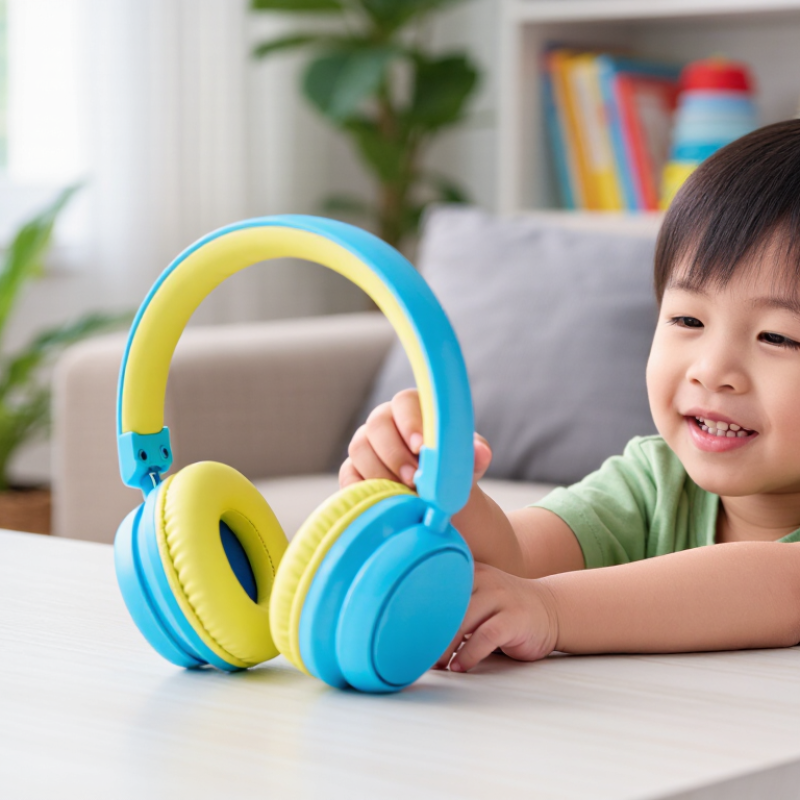
How to Choose Volume Limiting Headphones for Kids?

Understanding Volume Limiting Headphones for Kids

Volume limiting headphones for kids are designed to reduce loud sound reaching young ears. They do not remove every hearing risk. Instead, they cap the headphone’s maximum output at a lower level. Many products aim near 85 decibels, a commonly referenced listening level. However, the real volume can change with the device, recording, and headphone fit.

That distinction matters in daily use. I have found that children often raise the volume in noisy cars or classrooms. A volume limit cannot fully correct that behavior. Look for clear technical specifications, comfortable padding, and a limiter tested under recognized safety methods. The cable or wireless connection should also fit securely. Loose headphones may encourage louder listening.

Do not trust labels alone.

Parents can test the setting with a familiar song and sit beside the child. If the sound is clearly audible across the room, it may be too loud. Ask whether the child hears ringing, muffled voices, or discomfort afterward. Those signs deserve attention from a qualified hearing professional. Active supervision still matters, even with a reliable limiter. One weakness in my own earlier thinking was treating “volume limiting” as complete protection. It is only one part of safer listening. Short breaks, quieter environments, and moderate listening time remain important.

Checking Safe Volume Limits and Hearing Protection Features

When choosing volume-limiting headphones for children, check the actual output limit first. Many child-focused models claim an 85 dB maximum, a commonly referenced level for safer listening. However, the testing method may differ between products. A package number is not enough. Look for clear information about measurement conditions and whether the limit applies to every listening mode.

Use the headphones in a quiet room. Set the device volume low, then check whether your child can still hear normal conversation. A good fit should cover the ears comfortably without pressing hard. Passive noise isolation can reduce the urge to increase volume. Active noise cancellation may help in busy places, but it does not make loud listening harmless. Volume controls should resist accidental changes, and parental controls are useful when available. A visible volume indicator helps adults check settings quickly.

Listening time matters too. The World Health Organization encourages safer listening habits, including lower volume and regular breaks. I would avoid relying on a fixed limit alone. Children may wear headphones for hours, especially during travel or online lessons. Try short listening periods, followed by quiet breaks. Watch for complaints of muffled hearing, ringing, or discomfort. Stop use if these appear. My practical mistake was assuming a comfortable fit meant safe sound. It did not. Children also differ in sensitivity, and headphones cannot replace professional hearing advice when concerns continue.

Choosing the Right Size, Fit, and Comfort

Choosing volume-limiting headphones for children starts with fit, not appearance. A loose headband can let sound escape, encouraging children to increase the volume. Choose adjustable bands that rest gently without sliding during movement. The ear cushions should surround the ears when possible, rather than pressing painfully on the outer ear. Measure the child’s head, then check the manufacturer’s size range. Measure, then listen.

Comfort also affects safe listening habits. Soft, breathable cushions reduce heat during long car rides or lessons. However, “soft” does not always mean supportive. A cushion that collapses quickly may create pressure points. Check for even contact around the ear and a stable fit when the child turns their head. Children should be able to remove the headphones independently. This detail is easy to overlook.

The World Health Organization reported in its 2021 World Report on Hearing that over 1 billion young people may face preventable hearing risks from recreational noise. NIOSH uses 85 dBA for eight hours as an occupational exposure reference, with risk increasing as volume rises. These figures are not a complete child-listening rule, but they provide useful context. A practical fit test is simple: ask the child to speak normally while wearing the headphones. If the cushions leak sound or the child keeps adjusting them, the size may be wrong. I would not rely on a volume limiter alone. Fit, comfort, listening time, and regular breaks still need attention.

Comparing Sound Quality, Durability, and Connectivity

Choosing volume-limiting headphones for kids requires more than checking the maximum volume. Sound quality matters because clear audio remains enjoyable at a safer level. Look for balanced voices, gentle bass, and minimal distortion. In my experience, harsh treble makes children increase the volume. That defeats the purpose. A comfortable fit also improves listening habits, although comfort can vary greatly between children.

Durability should match real childhood use. Strong hinges, flexible headbands, and padded ear cushions are practical details. I once focused too much on sound performance and ignored the swivel joints. They became loose after repeated use. A detachable cable can simplify repairs, while washable cushions help after snacks, travel, or warm days. No headphone survives unlimited rough handling, so inspect moving parts regularly.

Connectivity affects convenience and reliability. Wired models avoid charging and usually reduce connection problems. Wireless models offer freedom during car trips, but parents should check battery life, pairing controls, and connection stability. Some devices reconnect automatically, which may confuse younger users. A microphone is useful for online lessons, but poor microphones can make speech sound distant. Volume limiting should be clearly explained by the manufacturer, and settings may differ between wired and wireless modes. Check the actual output carefully, because “child-safe” wording does not always provide enough technical detail. Local hearing guidance can also differ, so professional advice is sensible when a child uses headphones frequently.

How to Choose Volume Limiting Headphones for Kids?
Comparing Sound Quality, Durability, and Connectivity

Comparison of representative volume-limiting headphone configurations. Specifications may vary by individual product and usage conditions.
Evaluation Category Model A
Everyday Wired
Model B
Basic Wireless
Model C
Travel-Focused
Model D
Rugged Wireless
Model E
Balanced Premium
Recommended Age Range 3–8 years 4–10 years 5–12 years 6–12 years 5–12 years
Maximum Output Level 85 dB 85 dB 85 dB 85 dB 85 dB
Volume Control In-line control On-ear buttons On-ear buttons On-ear buttons with parental lock On-ear buttons and app-free limit switch
Driver Size 30 mm 32 mm 40 mm 40 mm 40 mm
Sound Quality ★★★★☆
Clear speech and balanced volume for videos and learning content.
★★★☆☆
Acceptable clarity with lighter bass and some detail loss at higher volume.
★★★★☆
Fuller sound with clearer low frequencies for music and films.
★★★★☆
Balanced sound with good vocal intelligibility in busy environments.
★★★★★
Best separation and tonal balance among the listed configurations.
Passive Noise Isolation Moderate Moderate Good Good Good
Active Noise Cancellation Not included Not included Not included Optional listening mode only Not included; relies on passive isolation
Connection Options 3.5 mm wired connection Bluetooth wireless and 3.5 mm wired connection Bluetooth wireless and 3.5 mm wired connection Bluetooth wireless and 3.5 mm wired connection Bluetooth wireless and 3.5 mm wired connection
Bluetooth Version Not applicable Bluetooth 5.0 Bluetooth 5.2 Bluetooth 5.2 Bluetooth 5.3
Wireless Battery Life Not applicable Up to 20 hours Up to 30 hours Up to 35 hours Up to 40 hours
Charging Connector Not applicable USB-C USB-C USB-C USB-C
Weight Approx. 150 g Approx. 175 g Approx. 205 g Approx. 220 g Approx. 210 g
Headband and Hinge Durability Reinforced plastic; suitable for careful daily use Flexible plastic; moderate resistance to bending Foldable design with reinforced hinge covers Reinforced headband and flexible hinges for frequent travel Padded metal-reinforced headband with replaceable ear cushions
Moisture Resistance No stated rating No stated rating Surface-resistant materials; not waterproof Resistant to light sweat and splashes; not waterproof Surface-resistant materials; not waterproof
Ear Cushion Comfort Small, soft foam cushions Soft on-ear cushions Thicker padded cushions Breathable padded cushions Large memory-foam cushions
Foldable Design No Yes Yes Yes Yes
Microphone Inline microphone Built-in microphone Built-in microphone Built-in microphone with clearer voice pickup Built-in microphone with echo reduction
Best Use Case Schoolwork, tablets, and short listening sessions Casual wireless use at home Flights, road trips, and longer journeys Active children and frequent travel Frequent daily use where comfort and sound quality matter most
Key Advantage Simple, lightweight, and does not require charging Affordable wireless convenience with a wired backup Longer battery life and stronger travel comfort Most robust construction and extended battery life Strongest overall balance of comfort, sound, and connectivity
Main Limitation Cable can tangle and movement is restricted Shorter battery life and more basic sound reproduction Heavier than compact wired designs Heavier and less compact for very young children Usually costs more and may be oversized for toddlers
Selection tip: A volume limit of 85 dB is commonly used in children’s headphones, but safe listening also depends on listening time, fit, and supervision. Check the actual output specification, use comfortable ear cushions, and encourage regular breaks.

Evaluating Age Suitability, Controls, and Ease of Use

Age suitability should guide the purchase, not a colorful design. A child’s head, ears, and listening habits change quickly. Check the manufacturer’s age range, adjustable headband, ear-cup pressure, and weight. Poor fit can encourage children to increase volume in noisy rooms. The World Health Organization and International Telecommunication Union report that over 1 billion young people face potential hearing risks from recreational noise exposure. That figure deserves attention.

Look for a built-in volume limiter, preferably with a parent-controlled lock. A simple maximum level is more reliable than asking a young child to self-regulate. The WHO-ITU Global Standard for Safe Listening recommends exposure monitoring, volume limits, and parental controls. For children, keeping average listening near 75 dB is a cautious reference point, although real output depends on the device and recording. Do not trust a volume label blindly. Test it with a calibrated sound meter when possible.

Ease of use matters every day. Controls should be tactile, clearly marked, and difficult to change accidentally. Wireless pairing should not require repeated adult help. A long cable can catch on furniture, while a short cable may limit movement. Battery warnings should appear early. I have seen children remove headphones because ear pads became warm after twenty minutes. That practical detail is easy to miss. App-based controls can help, but they may fail when accounts, updates, or forgotten passwords interrupt use. A good design reduces decisions for both child and caregiver.

How to Choose Volume-Limiting Headphones for Kids

Evaluating age suitability, volume controls, and ease of use through safe-listening exposure levels.

Age suitability

Check the stated age range, comfortable fit, adjustable headband, and small-part safety guidance before purchase.

Volume controls

Prefer a clearly defined volume limit and, where available, a parent-controlled setting that prevents easy override.

Ease of use

Large buttons, simple pairing, visible indicators, and a secure fit make correct everyday use easier for children.

Reference: NIOSH recommended exposure limit using an 85 dBA baseline and a 3 dB exchange rate. These values are occupational reference limits, not a guarantee of safety for children. Use the lowest comfortable volume and take regular listening breaks.

FAQS

How should I choose the right headphone size for a child?

Measure the child’s head and compare it with the stated size range. The headband should rest gently without sliding during movement. Fit matters more.

Should ear cushions cover the ears completely?

Cushions should surround the ears when possible. They should not press painfully against the outer ear. Ask the child to turn their head. The headphones should stay stable.

How can I test whether the fit is suitable?

Ask the child to speak normally while wearing the headphones. Sound leakage or constant adjustment may indicate the wrong size. Listen closely.

Does soft padding always mean better comfort?

Not always. Breathable cushions can reduce heat during long rides or lessons. However, collapsing padding may create pressure points. Check for even contact around both ears.

What features support safer listening habits?

Volume limiting can help, but it should not be the only protection. Listening time, comfortable fit, and regular breaks still matter. A child should also remove the headphones independently.

What sound qualities should I look for?

Choose clear voices, gentle bass, and minimal distortion. Harsh treble may encourage children to increase the volume. That defeats the purpose.

Which construction details improve durability?

Look for flexible headbands, strong hinges, and padded ear cushions. Inspect swivel joints and other moving parts regularly. I once ignored loose joints. That was a mistake.

Should I choose wired or wireless headphones?

Wired models avoid charging and often reduce connection problems. Wireless models can help during car trips. Check battery life, pairing controls, and connection stability. Automatic reconnection may confuse younger children.

What should parents check beyond the advertised safety wording?

Confirm how volume limiting works in wired and wireless modes. Check the actual output when possible. Safety language may lack technical detail. Professional advice is sensible for frequent headphone use.

Conclusion

Choosing volume limiting headphones for kids starts with understanding how they reduce sound output to help protect young listeners from excessive volume. Look for models with a clearly stated safe volume limit, dependable hearing protection features, and controls that prevent accidental increases. Proper sizing is equally important: adjustable headbands, soft ear cushions, and a secure but gentle fit can improve comfort during travel, learning, or entertainment.

When comparing options, consider balanced sound quality, sturdy construction, and convenient connectivity for the child’s everyday needs. Wired designs may be simple and reliable, while wireless options can offer greater freedom of movement. Age suitability, easy-to-use controls, and straightforward setup should also guide the decision. The best choice combines effective volume management with comfort, durability, and simplicity, helping children enjoy audio responsibly while giving parents greater peace of mind.

Amelia

Amelia

Amelia is a dedicated marketing professional with a strong understanding of product strategy, customer needs, and the evolving dynamics of modern business. As a key contributor to the company’s content and communications efforts, she regularly publishes insightful, practical articles on the company......